

Whether you have a mobile home, making sure it is even is essential to maintaining its structural integrity and comfort. An unlevel mobile home can result in a variety of problems, from doors that stick and windows that crack to more severe issues like foundation settlement. Regardless if you are a experienced homeowner or a newcomer to mobile home living, understanding how to level your home can save time, money, and frustration in the long run.
In this thorough guide, we'll discuss everything you need to know about leveling your mobile home, from identifying signs of an unlevel structure to the essential tools and techniques for achieving a level foundation. You'll discover about the detailed process of leveling, when it's time to consider calling in a professional, and how to maintain your home’s level over time. With the appropriate knowledge and approach, you can avoid the tilt and ensure your mobile home remains a safe and stable environment for you and your family.
Why Leveling Your Manufactured Home remains Crucial
Ensuring the proper leveling of your mobile house is vital for various factors, especially concerning protection and the home’s structural stability. A home that is not level could result in problems like increased wear on the foundation, roofing leaks, and floors that are uneven that contribute to safety issues. If your home becomes uneven, the pressure placed on different parts can lead to expensive repairs over time. Proper leveling assists distribute weight evenly and reduces the risk of damage, ensuring a safe space to live.
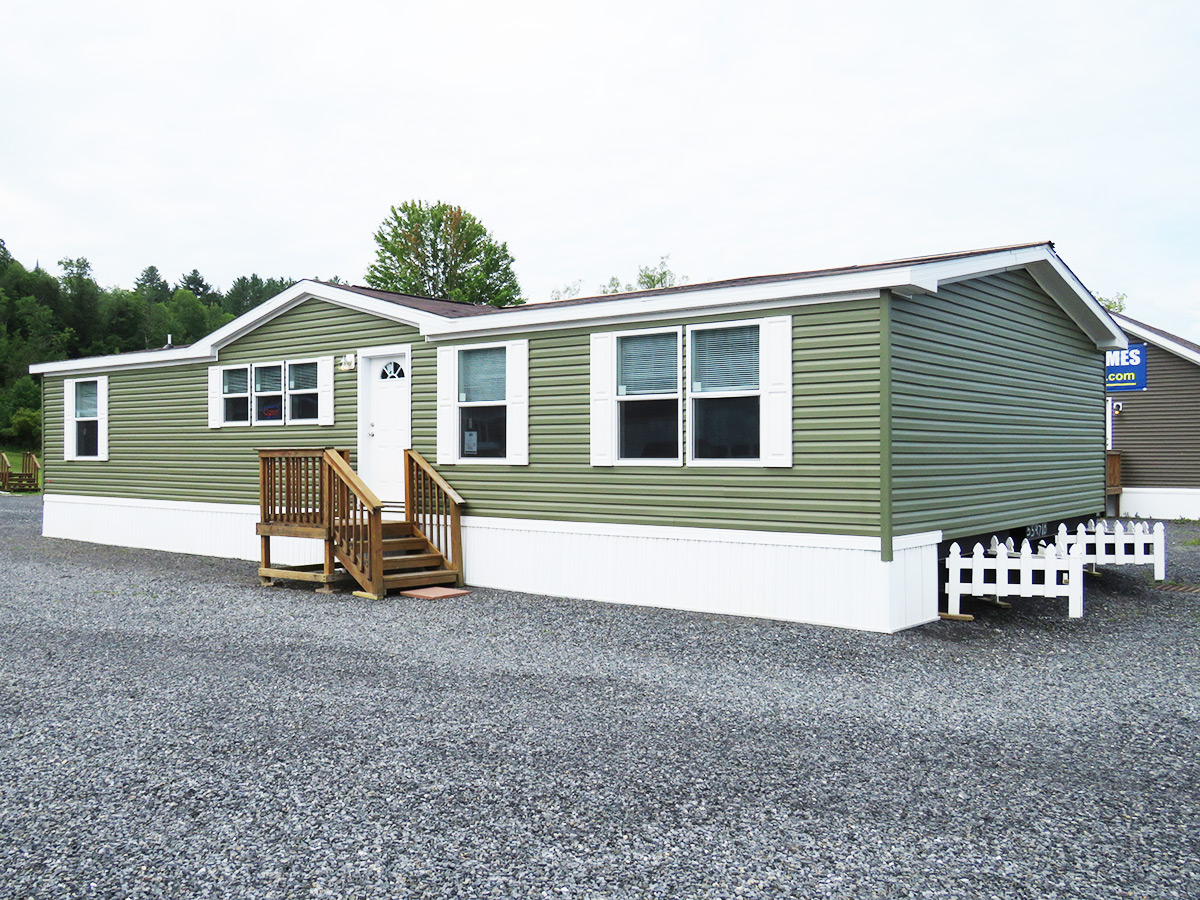
Additionally, a level mobile house enhances overall comfort as well as practicality. When a home is not level, you could face problems like sticking doors or windows that fail to open smoothly. These inconveniences can affect your daily life as well lessen your enjoyment of your living space. By checking the levelness of your mobile home, you not only enhance its practical use while enhancing improve the quality of your living conditions.
Furthermore, leveling your mobile house enhances its long-term value. A properly maintained along with level home stands as more appealing to potential buyers, which results in an improved resale value. Consistently checking and ensuring the proper level of your home can help you prevent significant expenses in the future while also protects your investment. Ultimately, making leveling a priority is about ensuring the safety of your property while also guaranteeing that it continues to be a cozy and secure place for living.
Gradual Elevating Procedure
To initiate the adjustment procedure, gather all essential tools and materials necessary for the job. You will have to use a leveling tool, such as a water level or laser level, lifts, supports, and spacers. Make sure to assess the foundation materials, as some may need support. Safety equipment, such as gloves and eye protection, should also be utilized throughout the process. Be mindful of any obstacles around your mobile home that could obstruct access to leveling points.
Once you have all components set up, start by inspecting your mobile home for level using the leveling tool. Place the leveling instrument at different locations in different areas of the home, noting any differences in elevation. This will provide a clear idea of how much change is needed. Identify the low points and the areas that need elevation. Ensure to record these findings for future use as you continue with adjustments.
To raise your mobile home, strategically position the jacks under the frame at the identified low points. Gradually lift the home, inserting blocks and shims as needed to secure the elevated areas. Continuously check the level during this procedure to prevent over-adjusting. Once the mobile home is leveled, ensure all jacks and supports are firmly placed before testing doors and windows to ensure that they function properly.
Maintaining Your Mobile Home's Level
To confirm the durability of your mobile home’s level, consistent maintenance is crucial. Checking How to level a mobile home at least yearly can assist spot potential issues before they become serious problems. Look for indicators of shifting, such as doors that jam, windows that do not close, or uneven floors. If you notice any of these signs, it may be time to reassess the level of your home and take suitable action.
Another crucial aspect of maintenance is watching soil conditions around your mobile home. Variations in moisture levels can result in soil swelling or reduction, which can cause an unsettled foundation. During house leveling or following dry spells, examine the area to confirm that the ground remains steady. If you find issues, consider adding drainage solutions or supporting the perimeter to keep a stable environment for your home.
After adjusting your mobile home, it's essential to stabilize the frame securely. Use the appropriate materials, such as shims or piers, as they provide ongoing support. Consistently check these supports for any signs of deterioration or shifting. Addressing insignificant issues promptly can avert more significant problems down the line, making sure your mobile home stays level and cozy for the long term.
Lonestar Mobile Home Leveling & Skirting
276 County Rd 1700
Clifton, TX 76634
(254)266-5369